Most people who use this page will not test positive for HIV. This
support page is here to help you use the INSTI HIV Self Test
correctly, understand your result clearly, and know what to do next.
The INSTI HIV Self Test provides private at-home HIV testing with
results in about 60 seconds once the testing process is complete.
CE Certified
FDA Cleared
Results in ~60 seconds
Discreet shipping
Possible HIV exposure within the last 72 hours?
PEP (post-exposure prophylaxis) may help prevent HIV infection if started quickly after exposure — ideally within hours, and no later than 72 hours.
If your possible exposure happened within the last 72 hours, contact one of the following as soon as possible:
A sexual health clinic
An emergency department
An HIV support service or hotline
A self-test may not yet detect HIV during this very early phase. Don't wait for a self-test result before seeking PEP.
The INSTI HIV Self Test is highly accurate when used correctly and outside the HIV window period. In an untrained user performance evaluation by bioLytical Laboratories, the test showed 100% sensitivity (95% confidence interval: 99.3%–100%) and 99.8% specificity (95% CI: 99.2%–99.9%). A separate study calculated specificity at 99.5%. A reactive result must always be confirmed through laboratory testing.
What is the HIV window period?
The HIV window period is the time between possible HIV exposure and when a test can reliably detect HIV. The INSTI HIV Self Test is an antibody-based self-test. HIV antibodies may begin to develop around 21 days after exposure for most people. For some people, antibodies may take up to 12 weeks to reach detectable levels. A non-reactive result at 12 weeks (84 days) after your last possible exposure is considered conclusive for antibody self-tests. Testing too early can produce a false negative result.
Can I have HIV without symptoms?
Yes. Many people with HIV experience no symptoms at all, especially in the early years. Symptoms cannot reliably tell you if you have HIV. Testing is the only way to know.
Learn more about HIV symptoms →
Taking the test
What if I used the bottles in the wrong order?
The result may not be reliable, and the test should be repeated with a new kit. The correct order is: Bottle 1 (Sample Diluent), Bottle 2 (Colour Developer), Bottle 3 (Clarifying Solution).
What if I spilled one of the solutions?
The result may not be reliable. If a solution bottle spilled or wasn't fully used, repeat the test with a new kit.
What if I touched the membrane?
Touching the membrane may interfere with the result. If you accidentally touched the membrane, repeating the test with a new kit is recommended.
What if I cannot collect enough blood?
The test may not work correctly if too little blood is collected. Try washing your hands with warm water first, lowering your hand below heart level, gently massaging the finger from base to tip, or using a fresh dry finger (not the one already pricked). If the result is invalid, repeat the test with a new kit.
What if my control dot is faint?
A faint control dot usually still means the test worked correctly. If the control dot is clearly visible (even if light) and there is no test dot below it, the result is non-reactive. If unsure, repeat with a new kit or seek confirmatory laboratory testing.
Understanding your result
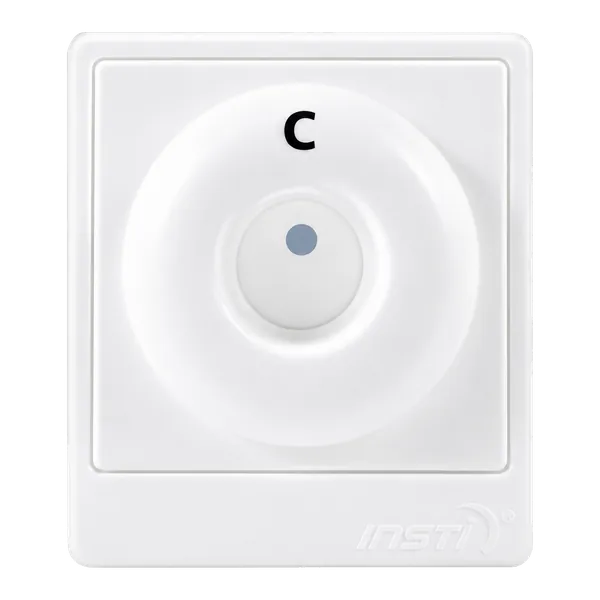
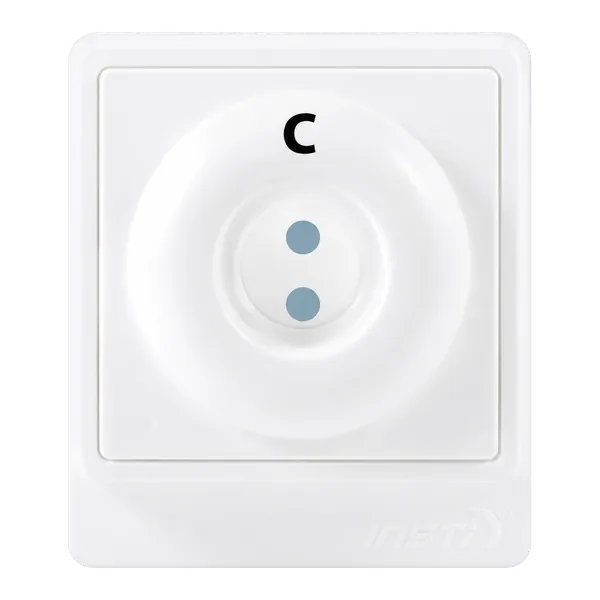
The INSTI HIV Self Test produces one of three possible results. Below
is what each one means and what to do next.
NON-REACTIVE
Non-reactive — likely no HIV detected
No HIV antibodies were detected at the time of testing. In most cases this means you do not have HIV. However, if your possible exposure was within the past 12 weeks, antibodies may not yet be detectable.
Next steps
If you tested during the window period, retest at 12 weeks after last possible exposure
Continue routine testing as appropriate for your situation
No further action needed if exposure was more than 12 weeks ago
REACTIVE
Reactive — preliminary positive
HIV antibodies may have been detected. This is a preliminary result, not a diagnosis. A reactive self-test must always be confirmed by a laboratory blood test through a healthcare provider.
Next steps
Contact a sexual health clinic, your GP, or HIV testing service for confirmatory laboratory testing
Do not use another self-test to confirm — laboratory testing is required
Modern HIV treatment is highly effective; people diagnosed early can live full healthy lives
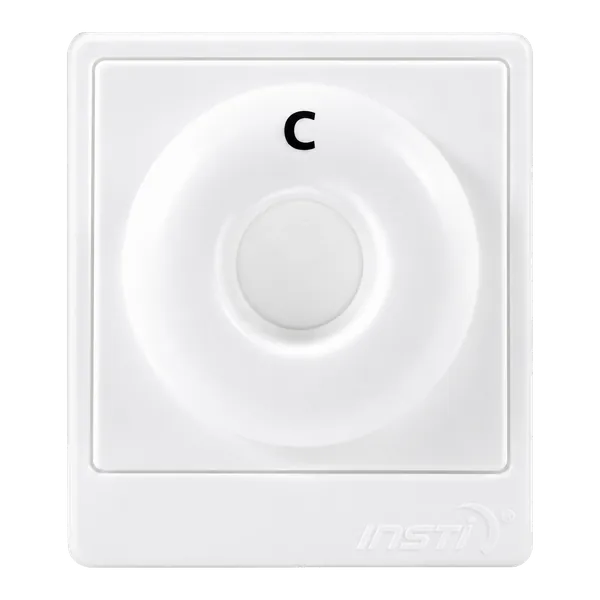
INVALID
Invalid — test could not be read
The test did not work correctly. The result cannot be interpreted. This may be due to insufficient blood, mixing error, or expired kit.
Next steps
Repeat the test with a new kit
Follow the instructions for use carefully
If you have had multiple invalid results, contact customer support at customer@one-self.nl
Common testing problems & troubleshooting
Problem
Possible cause
Recommended action
No control dot appears
Test failure (insufficient blood or mixing error)
Repeat with a new kit
Bottom dot only, no control
Invalid result — control didn't develop
Repeat with a new kit
Faint bottom dot, with clear control dot
Reactive result (faintness does not mean negative)
Seek laboratory confirmation
Blurry or smeared result
Handling or fluid issue
Repeat with a new kit
Not enough blood collected
Sample size too small
Retest with a new kit; follow blood-collection tips above
Bottles used in wrong order
Procedure error
Repeat with a new kit
Tested within the window period
Antibodies may not yet be detectable
Retest at 12 weeks after last possible exposure
When should I retest?
Retesting is recommended if any of the following apply:
You tested within 12 weeks of your last possible exposure
The result was invalid
You are unsure whether the test was performed correctly
You continue to have ongoing HIV exposure
You have any symptoms that could be related to HIV after a recent
possible exposure
Routine testing recommendations
At least once a year for sexually active adults
Every 3 to 6 months if at higher exposure risk: men who have sex with
men with multiple or new partners, people whose partners have HIV
with detectable viral load, people with multiple sexual partners,
people who share injection equipment, or people with another recent
sexually transmitted infection
After any possible HIV exposure, with retest at 12 weeks if testing
within the window period
Before starting a new sexual relationship, if either partner is
unsure about their status
When is a laboratory HIV test more appropriate?
A laboratory HIV test (through a clinic or healthcare provider) may be
more appropriate than a self-test in these situations:
Your possible exposure was very recent — within the last 12 weeks,
and especially within the first 4 weeks
You currently have symptoms that concern you (fever, rash, swollen
lymph nodes, fatigue) and have had a possible exposure recently
You need earlier HIV detection — laboratory tests can detect HIV
earlier than antibody self-tests, often within a few weeks of
exposure
A healthcare provider has advised you to test
You would prefer in-person support and counselling
You are testing as part of regular sexual health care or following
exposure to a known HIV-positive partner
We're upfront about this: laboratory tests can detect HIV earlier than
self-tests and provide additional support. The INSTI HIV Self Test is
a private, accessible option, but it's not always the right one for
every situation.
After the test
What should I do after a reactive result?
A reactive self-test must always be confirmed through laboratory testing. Don't panic, and don't use another self-test to confirm. Within the next few days: contact a sexual health clinic, your GP, or an HIV testing service; tell them you have had a reactive self-test result and need confirmatory testing; they will arrange a laboratory blood test, usually within a few days. While you wait: modern HIV treatment is highly effective and people diagnosed early can live a normal lifespan. Avoid sex without a condom until you know your confirmed status, to protect any partners while uncertainty exists.
Should my partner test too?
If you tested non-reactive: testing together with your partner can help you both understand your status and make informed sexual health decisions. If you tested reactive: yes, your current and recent sexual partners (typically the past 12 months, but your healthcare provider can advise) should consider testing as soon as possible. Many countries have confidential partner notification services that can help.
How often should I test for HIV?
Testing frequency depends on your personal situation: at least once a year for sexually active adults, every 3 to 6 months for higher-risk groups (see Window Period section above), after any possible HIV exposure, and before starting a new sexual relationship if either partner is unsure about their status.
What this page does not cover
We've kept this page focused on testing-related questions. For other
topics:
This page is for information only and does not replace medical
advice. If you are concerned about HIV or your health, please
contact a healthcare provider or sexual health clinic.
If your possible exposure happened within the last 72 hours, do not
delay — seek urgent medical advice regarding PEP from a sexual
health clinic, emergency department, or HIV support service.
This page was last updated: May 2026. For our editorial process, see
editorial standards.
Twój wybór plików cookie
Używamy plików cookie do analiz i reklam, aby mierzyć i ulepszać tę witrynę. Ty decydujesz. Prywatność